
Spices That Help Joint Inflammation
Discover the natural power of traditional spices backed by research. Learn how everyday kitchen ingredients can support joint comfort and mobility through evidence-based information and expert insights.
The information on this site is for educational purposes only and does not constitute medical advice. Always consult a qualified healthcare professional before making health decisions.
Understanding Joint Inflammation Through Natural Solutions
Joint comfort is essential to maintaining an active lifestyle. Many people seek natural approaches to support their body's natural response to inflammation. Traditional cuisines around the world have long incorporated specific spices known for their beneficial properties.
Our editorial platform brings together research-backed information about spices like turmeric, ginger, and cinnamon—each with its own unique profile and traditional uses in wellness practices across cultures.
Whether you're interested in culinary applications or understanding the science behind these ingredients, we provide comprehensive guides to help you make informed decisions about incorporating these spices into your daily routine.
View Full Spice Guide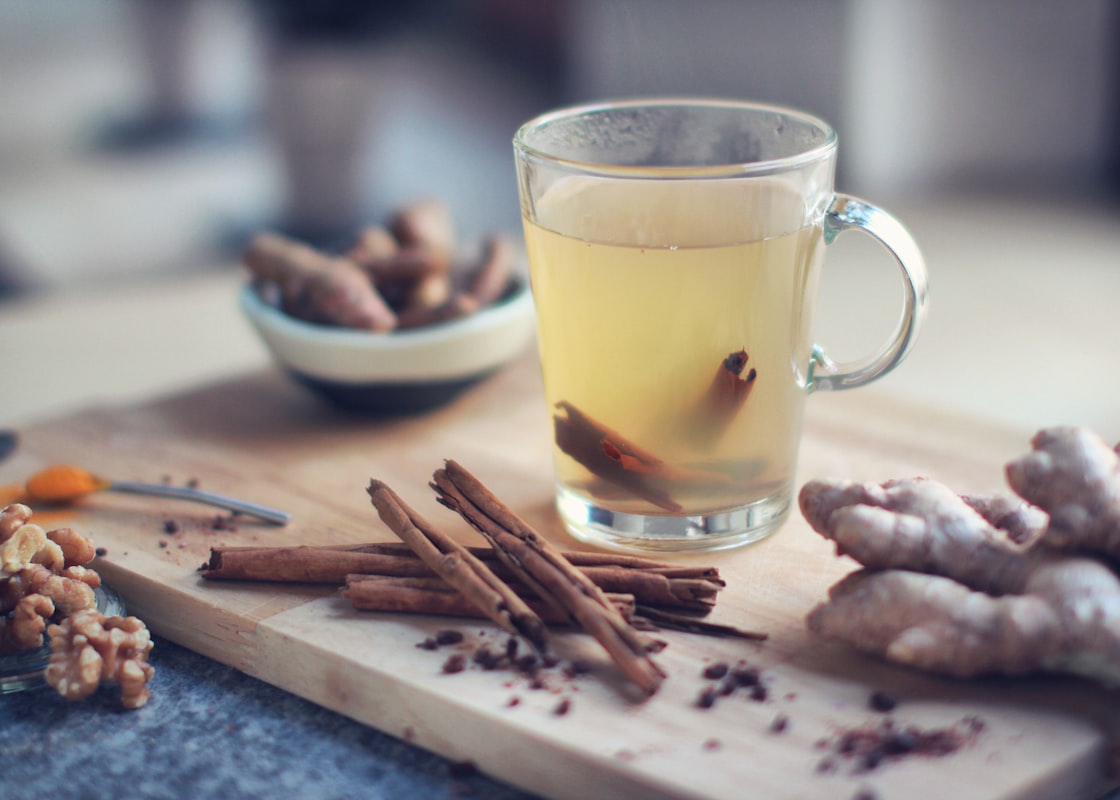
Featured Spices for Joint Support
Turmeric
Ancient golden spice with curcumin compounds studied extensively for traditional wellness applications.
Ginger
Warming root spice with a long history in traditional remedies across Asian and Middle Eastern cuisines.
Cinnamon
Sweet warming spice used for centuries in traditional practices for overall wellness support.
Cayenne
Vibrant pepper spice with capsaicin compounds long used in traditional wellness practices worldwide.
Top Spices for Joint Support
Turmeric
Turmeric contains curcumin, a compound extensively studied for its role in supporting the body's natural response to inflammation. Widely used in Indian, Southeast Asian, and Middle Eastern cuisines for thousands of years.
- High curcumin content
- Easy to incorporate daily
- Versatile in cooking
Ginger
Ginger root offers warming properties and has been a staple in traditional Asian medicine for millennia. Contains gingerols and shogaols, compounds with notable properties in wellness research.
- Fresh or dried options
- Pleasant warming flavor
- Great in teas and soups
Cinnamon
Cinnamon bark has been used for centuries across cultures for its warming properties. Research explores its potential role in supporting metabolic health and overall wellness patterns.
- Sweet natural flavor
- Complements many dishes
- Works in savory and sweet
Cayenne
Cayenne pepper contains capsaicin, the compound responsible for its heat. Traditional healers have used it to support circulation and provide warming properties for centuries.
- Capsaicin-rich compound
- Adds culinary interest
- Pairs well with proteins
Black Pepper
Black pepper contains piperine, which enhances the absorption of other compounds, particularly curcumin from turmeric. A classic pairing used in traditional wellness practices.
- Enhances nutrient absorption
- Universal kitchen staple
- Works with all cuisines
Clove
Cloves are among the richest sources of antioxidants and have been used in traditional medicine for centuries. Their warming properties complement other inflammation-supporting spices beautifully.
- High antioxidant levels
- Strong distinctive flavor
- Traditional pairing spice
Why Choose Our Resource Hub
Research-Based Information
Our articles are grounded in published research and traditional wellness practices. We examine scientific findings while respecting cultural heritage and traditional knowledge.
Community Focused
Join thousands of readers interested in natural approaches to wellness. Share experiences, learn from others, and explore evidence-based solutions together as a community.
Comprehensive Guides
Explore detailed articles covering preparation methods, culinary applications, traditional uses, and practical ways to incorporate these spices into your daily routine.
Natural Focus
We specialize in whole-food approaches and natural spices—not synthetic alternatives. Understand what nature offers and how these ingredients have been used throughout history.
Cultural Perspectives
Learn how different cultures have incorporated these spices. From Ayurvedic traditions to Asian medicine to Mediterranean cuisines—discover global wisdom about joint support.
Practical Advice
Beyond theory—get real guidance on sourcing quality spices, storage methods, dosage recommendations, and simple recipes to make wellness part of your everyday life.
What Our Community Says
"
The detailed guides on turmeric preparation changed how I approach my morning routine. Finally found reliable information that respects both scientific research and traditional practices. The community feedback has been incredibly supportive throughout my wellness journey.
Jan Novotný
Brno, Czech Republic
"
I was skeptical about spices making a real difference, but this resource hub presents the evidence so clearly. The articles about ginger and cinnamon combinations are practical and backed by actual research. Exactly what I was looking for.
Petra Svobodová
Plzeň, Czech Republic
"
As someone interested in traditional wellness approaches, I appreciate how this platform honors cultural heritage while maintaining scientific accuracy. The information about sourcing quality spices has been invaluable for my kitchen practice.
Michal Kráčala
Praha, Czech Republic
How to Get Started with Spices for Joint Support
Research and Learn
Start by exploring our comprehensive guides about different spices. Understand their properties, traditional uses, and how they work in the body. Read personal experiences from community members to gain perspective on various approaches.
Source Quality Ingredients
Learn how to identify and purchase high-quality spices from reputable suppliers. Our guides cover sourcing tips, freshness indicators, and storage methods. Quality matters when incorporating spices into your daily wellness practice.
Incorporate into Daily Routine
Discover practical recipes and preparation methods. Start with simple additions—golden milk, spiced tea, or seasoning your regular meals. Our articles provide step-by-step instructions for traditional preparations used across cultures for centuries.
Track Your Experience
Keep notes on how different spices and preparations affect your experience. Our community forum allows you to share observations and learn from others' experiences. Over time, you'll discover which approaches work best for your individual needs and lifestyle.
Pro Tip: Consistency is key. Rather than sporadic use, incorporating spices regularly into your diet—even in small amounts—allows your body to experience their cumulative benefits. Consider them part of a holistic approach to wellness that includes balanced nutrition, regular movement, and stress management.
Frequently Asked Questions
How long before I notice any effects from incorporating spices?
Results vary from person to person. Traditional practices suggest consistent use over several weeks allows the body to adjust and respond. Our community members report varying timelines—some notice changes within days, others over months. Regular incorporation into daily meals is more effective than sporadic use.
Can I combine different spices together?
Yes! Many traditional cuisines blend multiple spices—Indian curries, Middle Eastern spice mixes, and Asian combinations are excellent examples. Turmeric with black pepper is particularly synergistic, as piperine enhances curcumin absorption. Experiment with combinations featured in our recipe guides.
What's the best way to consume turmeric for maximum benefit?
Turmeric is fat-soluble, so consuming it with oils, coconut milk, or other fats enhances absorption. Heat activation also increases its effectiveness—golden milk (warm turmeric milk) is a traditional preparation. Our detailed turmeric guide covers various preparation methods and dosing approaches used across cultures.
Are there any spices I should avoid or use cautiously?
While spices are generally safe as food ingredients, some may interact with specific situations. We recommend reviewing our detailed safety information pages. For personalized guidance based on individual health considerations, consulting with a qualified professional is advisable. Always start with small amounts when trying new spices.
How should I store spices to maintain their potency?
Store spices in cool, dark, airtight containers away from heat and light. Ground spices maintain freshness for 6-12 months, while whole spices last longer. Refrigeration extends shelf life. Our storage guide provides specific tips for each spice to ensure maximum freshness and effectiveness in your kitchen.
Can I give these spices to my children or elderly family members?
Spices used in regular cooking are generally safe for all ages. However, concentrated preparations may require different considerations for very young children or elderly individuals with specific health conditions. Our articles discuss age-appropriate incorporation methods and family-friendly recipes you can enjoy together.
Ready to Explore Natural Approaches to Joint Support?
Join our community and discover comprehensive, research-backed information about spices that can support your wellness journey. Access detailed guides, recipes, traditional knowledge, and connect with others interested in natural wellness approaches.
Flexibility Health Source Hub — Your editorial resource for natural wellness information
Latest Articles from Our Editorial Team
Complete Guide to Turmeric: Properties and Applications
Explore the science behind this golden spice, traditional preparations, and modern culinary applications.
Read Article →
Traditional Spice Combinations: Synergistic Wellness Approaches
Learn how different cultures combine spices for enhanced benefits and how to create your own blends.
Read Article →
Kitchen Mastery: Sourcing, Storage, and Preparation Techniques
Practical guidance on selecting quality spices, proper storage methods, and traditional preparation techniques.
Read Article →